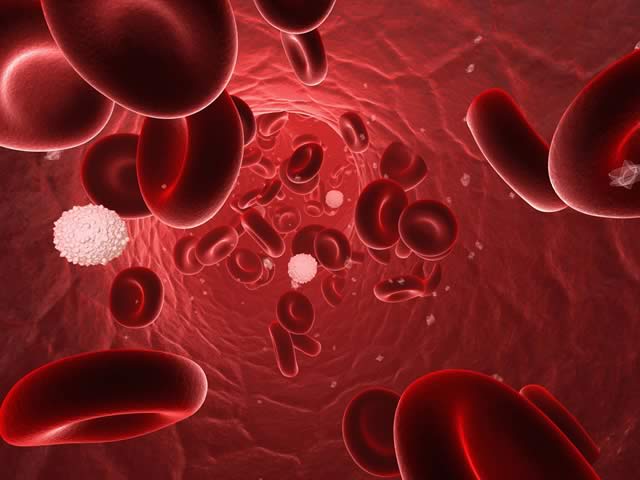
Juvenile Myelo Monocytic Leukemia (JMML) is a childhood blood disorder. Although leukaemia is in the name, the World Health Organisation (WHO) does not classify it as a leukaemia. Rather it is grouped under myeloproliferative and myelodysplastic disorders**
JMML is rare. The incidence rate is estimated to be 1 to 2%* of all childhood leukemia.
A diagnosis of JMML is challenging. Children usually present around 2 years of age but each child presents differently. Symptoms may include poor weight gain, infections, easy bruising and often an abdominal mass, which is due to an enlarged spleen. The most common indicators are a high white bloodcell count and in particular a high monocyte count. Generally a diagnosis requires a combination of blood tests, a bone marrow aspirate and genetic mutation analysis.
The cause of JMML is currently not known. There is a link to abnormalities found in certain genes – PTPN11, CBL, KRAS, NRAS, NF1. However researchers, both in the UK and globally, are striving to understand the disease better.
The only known curative treatment is a bone marrow or stem cell transplant. And in some cases two. Some genetic abnormalities are known to spontaneously resolve JMML but the reasons for this are unknown. A bone marrow transplant replaces the child’s stem cells with those of a suitable donor. First, the child’s stem cells are weakened with chemotherapy. Then, the donor stem cells are infused. What follows is a waiting game for the donor cells and child’s cells to battle it out. The donor cells must take over for the treatment to be successful.
In general, the 5 year survival rate for JMML patients with a transplant is between 50 to 55%*. Without treatment, it is 5 to 10%*. The survival rate may depend on the genetic abnormality, the treatment path, and whether there was a relapse.
The following organisations provide more detail on the diagnosis, treatment and prognosis.
*JMML Foundation
** Cancer Research UK
Last updated: 19th October 2018
 JMML Parents Group UK